VESIM believes in imparting quality education. Our main focus is on shaping individuals who can emerge as well-known industrialists, agile administrators and shrewd leader-managers. We work towards this goal by introducing courses, programmes and exercises that help students develop logical thinking skills, aptitude to make right business decisions, a knack to self-review decisions and ability to identify hidden talents.
To achieve this goal, VESIM has established a well-respected advisory board known as Board of Studies
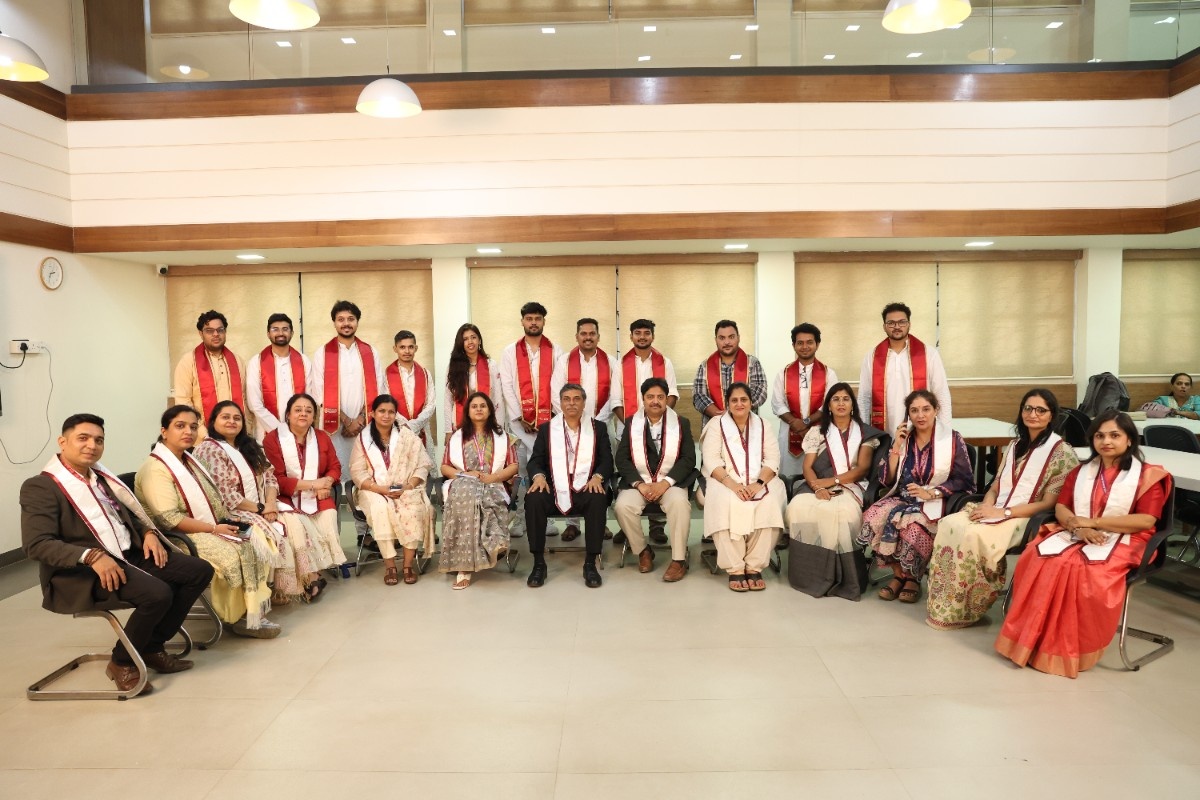
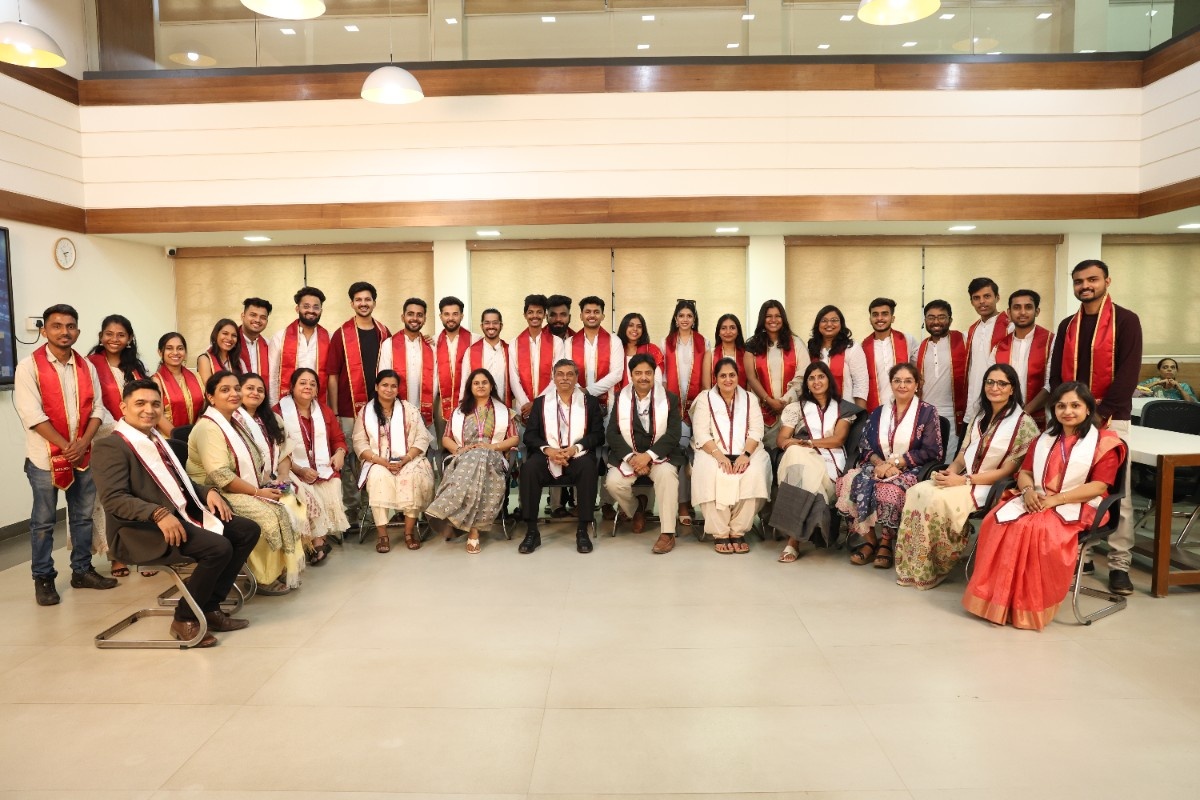
The Board of Studies at VESIM advises the institute on academic matters and the need-of-the-hour in the business world. Currently, the board comprises of 20 members who have great experience in diverse fields of administration, education and business.
The Board plays a pivotal role in examining the syllabus; suggesting amendments in the syllabus based on industry trends; understanding existing teaching pedagogy & proposing changes; and encouraging industry engagements in the form of internships, projects or guest lectures.
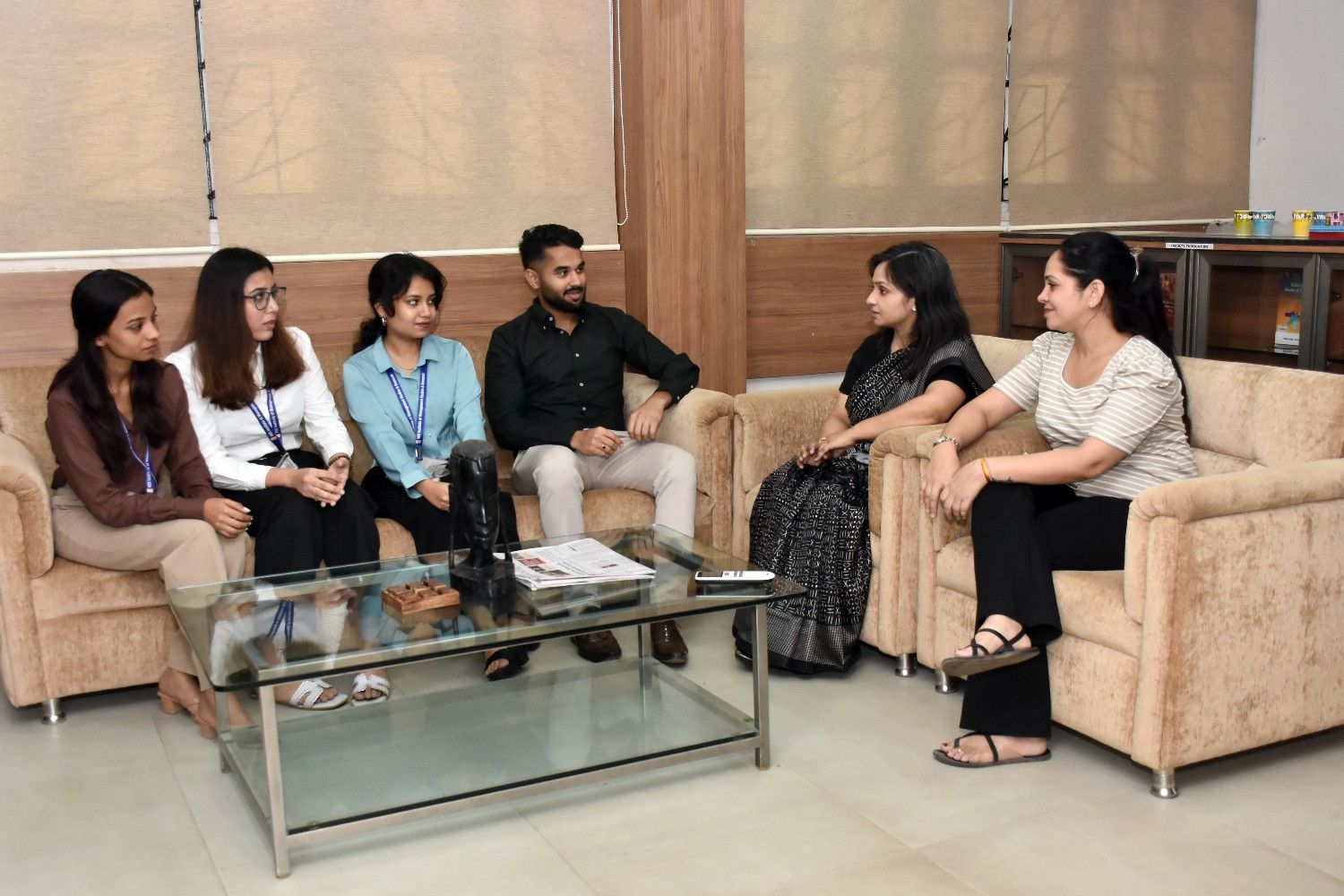
Today's competitive business scenario not only demands students armed with a degree in management but also expects them to be equipped with a set of requisite skills to succeed in the industry. As the industry environment in India is undergoing a phenomenal change, it has become important for committed business schools like VESIM to get the students ready for the corporate challenges within the 2 years of the study duration. In addition to 100% interactive classroom learning, we also practice the Guru-Shishya Mentorship Program. As the name suggests, this program involves a “Guru” (Mentor) and “Shishya” (Mentee).
Program Overview
The mentoring program is designed to aid in the transformation of students into responsible corporate professionals. The faculty mentor being an experienced individual shares his personal and professional experiences along with knowledge with his/ her mentees. This mentoring relationship supports management students in many ways such as exploring various career opportunities, and even assisting them as they are entering into early years of their professional life to name a few.
Highlights of Guru - Shishya Mentoring Program VESIM
Personality Development
The first impression always matters in any business organization. Mentors help students to polish their communication skills, improve their body language, boost their confidence, and hone their presentation skills.
Soft Skills Development
A big or small business organization is always keen to employ a student who has a repertoire of knowledge, and technical skills to succeed in his job. In addition to that, employers are nowadays favoring candidates who share a positive attitude, willingness to perform at difficult times, and are flexible. At VESIM, Mentors help students to acquire or develop these skills, as well as learn how to handle failure, success, criticisms, and conflicts at the workplace.
Cognitive Reframing
Also known as cognitive restructuring, this technique has been used by mentors to help students overcome their negative thoughts, anxiety, depression, addictions, phobias, etc. The faculty mentors provide individual and group counselling sessions to help students resolve their internal conflicts and boost their growth potential.
Curriculum Compliance & Customization
The institute adheres to Mumbai University's prescribed curriculum for the MMS program while utilizing the freedom to make contextual additions based on industry needs and feedback through departmental Boards of Studies.
Systematic Curriculum Dissemination
Course syllabi are shared with the faculty, with course allocations based on expertise, interest, and institute needs. Session plans are vetted, finalized, and shared with students via the institute’s ERP system.
Stakeholder-Inclusive Curriculum Development
Curriculum is reviewed and updated through feedback from students, faculty, industry, and alumni to align with Program Educational Objectives (PEOs), Program Outcomes (POs), and Course Outcomes (COs).
Gap Analysis & Continuous Improvement
Regular analysis of PO and CO attainment guides curriculum updates. Revisions are approved by the Board of Studies to ensure relevance and industry alignment.
Pedagogical Innovation
Faculty employ varied teaching methods including flipped classrooms, case studies, role play, experiential learning, and quizzes to foster deeper learning and skill development.
Quality Monitoring & Feedback Integration
Teaching quality is evaluated through student feedback, followed by corrective strategies such as co-teaching, workshops, and seminars to address identified gaps.
Outcome-Based Assessment
Learning outcomes are assessed through continuous internal evaluations and end-semester exams; student feedback further validates teaching effectiveness.
Faculty Development & Recruitment
Faculty are encouraged to attend development programs and use research tools. Recruitment is rigorous, involving expert panels and student feedback on demo lectures.
Student Certification & Skill Development
Students are motivated to complete certification courses (SWAYAM, NPTEL, etc.) and participate in personality development sessions, mock interviews, and resume workshops.
Structured Academic Planning & Industry Readiness
Academic calendars guide our semester planning. Industry internships, live projects, student led events enhance experiential learning, while partnerships with expert trainers boost employability.